Hand hygiene has changed significantly in recent years. In homes, offices, healthcare facilities, hotels, schools, restaurants, and public buildings, users increasingly expect sanitizing equipment to be clean, convenient, reliable, and easy to operate. Traditional pump bottles remain useful, but they require every user to touch the same surface. In high-traffic environments, that shared contact point can become an unnecessary source of contamination and maintenance concerns.
The JYS-X1 Infrared Automatic Touchless Spray Hand Sterilizer is designed to address this challenge through a combination of infrared sensing, automatic dispensing, ultrasonic fine-mist spraying, wall-mounted installation, and battery-powered operation. It provides a hands-free method for dispensing suitable sanitizing liquids while maintaining a compact profile and practical capacity.
Its design is especially relevant for users seeking a cleaner and more professional alternative to manual pump dispensers. The device detects a hand placed beneath the sensor and releases a measured mist without requiring the user to press a button, pull a lever, or touch the body of the unit. This reduces shared contact and supports a more convenient hygiene routine.
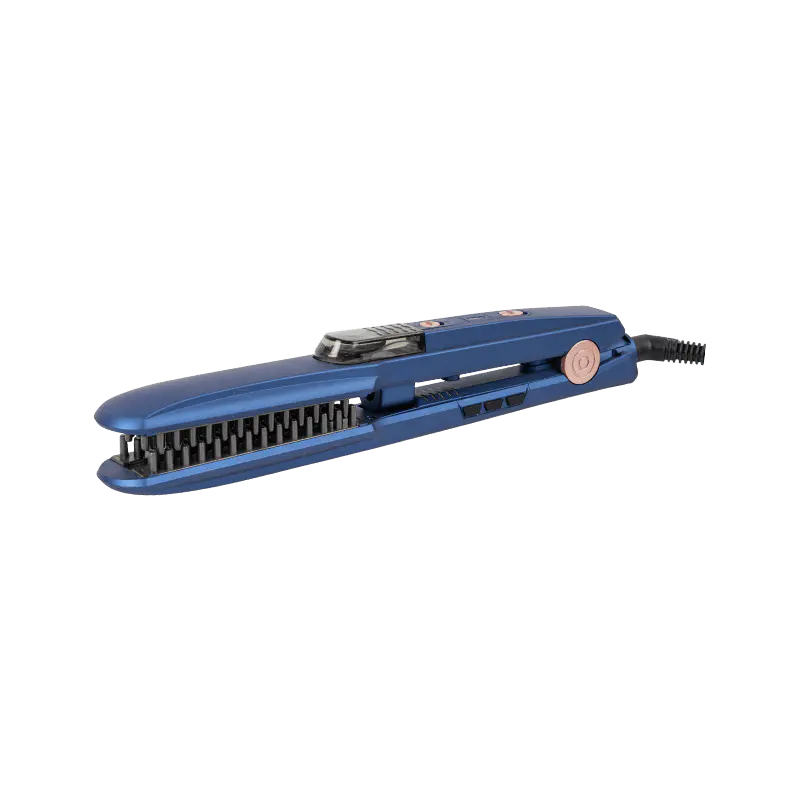
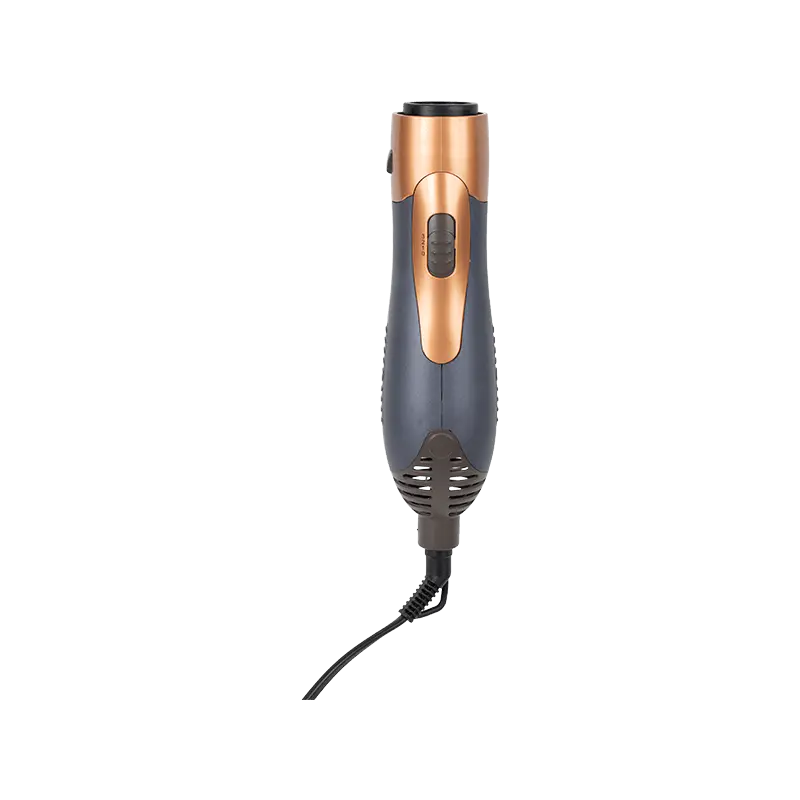
Behind the product is the manufacturing experience of SHAOXING BANGSHUO ELECTRICAL APPLIANCE CO., LTD., a Chinese small-appliance manufacturer with a product range covering hair dryers, hair curlers, hair straighteners, ionic brushes, personal-care appliances, and smart products for healthy living. The company supports OEM and ODM cooperation and combines product development, production, quality management, and export experience in one manufacturing operation.
1. The Need for a More Hygienic Dispensing Method
Many sanitizing stations depend on a mechanical pump. A user places one hand beneath the bottle and uses the other hand to press the pump head. Although this arrangement is simple and inexpensive, it creates a shared touchpoint. In a family environment, this may be a minor inconvenience. In a clinic, hotel lobby, office, school, or public restroom, the same pump can be touched by hundreds of people each day.
A touchless dispenser changes the interaction. The user approaches the device, positions a hand below the detection area, and allows the sensor to activate the dispensing cycle. This interaction is quicker and more intuitive, while the external surface can remain largely untouched during normal use.
Touchless operation also improves accessibility. Children, older users, and people with limited hand strength may find an infrared dispenser easier to use than a stiff mechanical pump. The system does not require a firm downward press or coordinated handling. It simply responds to the presence of a hand within the intended sensing range.
The JYS-X1 is designed for this type of everyday use. Its operating principle is straightforward, but its value comes from the integration of several practical features: automatic sensing, fine-mist output, a transparent 300ml reservoir, battery operation, compact dimensions, and wall-mounted installation.
2. Product Overview
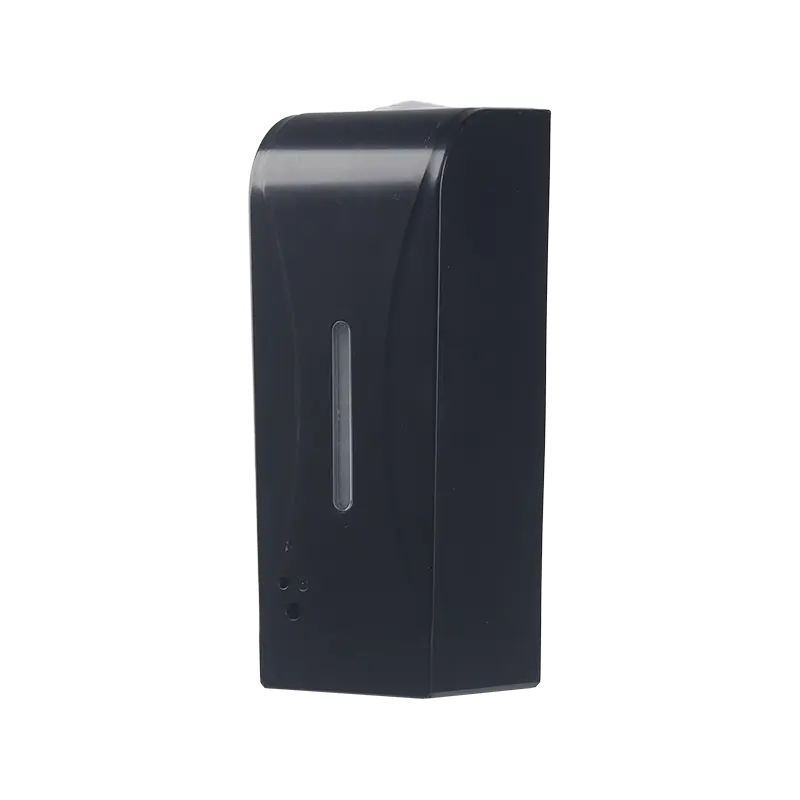
The JYS-X1 is an automatic touchless spray hand sterilizer intended for compatible liquid sanitizing solutions. It is optimized for 75% medical alcohol or similar thin, non-viscous liquids recommended for the product. The unit is not designed as a universal dispenser for every kind of soap, gel, foam, or thick disinfectant. Using the correct liquid is important for reliable spraying and for protecting the precision nozzle.
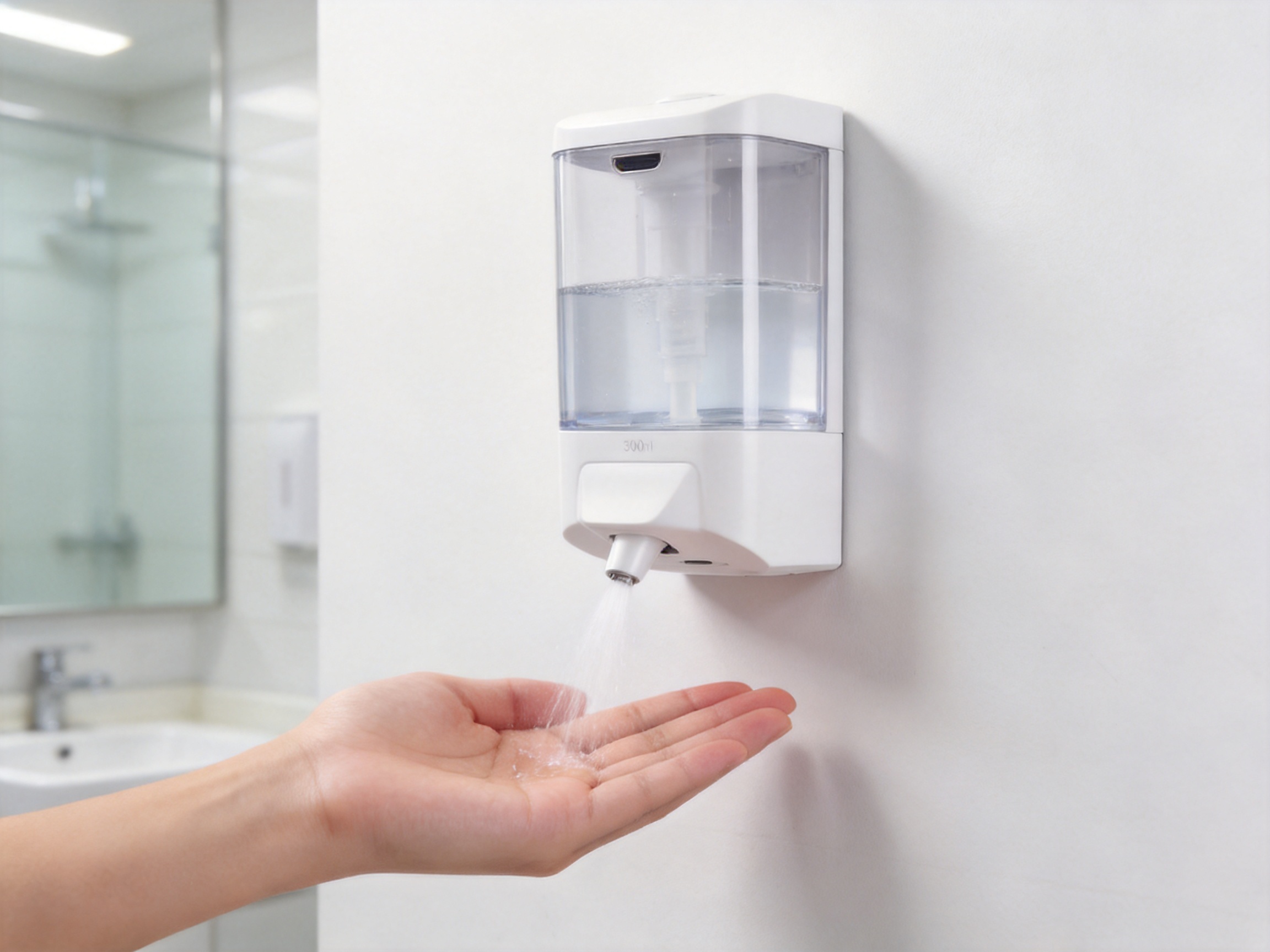
The dispenser uses an infrared motion sensor to detect a hand placed approximately 5 to 10 centimeters below the outlet. Once a hand is detected, the system activates automatically and releases a fine spray. This means that the user does not need to touch the product during the dispensing process.
Its 300ml capacity offers a practical balance between compact size and refill frequency. The transparent reservoir allows operators and household users to see the approximate liquid level at a glance. This is particularly useful in commercial and public settings, where staff need to identify low-liquid units quickly.
The product is powered by four AAA batteries and does not require a fixed electrical connection. This makes installation more flexible than that of a wired wall-mounted dispenser. It can be positioned in locations where adding an electrical outlet would be inconvenient, expensive, or visually undesirable.
Measuring approximately 190 × 78 × 64 millimeters, the device has a slim form that can fit into bathrooms, kitchens, entrances, reception areas, office spaces, and other locations where wall space is limited. Its wall-mounted structure helps keep the unit accessible while freeing countertop space.
| Product Item | Specification | Practical Benefit |
| Model | JYS-X1 | Clearly identified product platform for sourcing and customization |
| Capacity | 300ml | Reduces the frequency of refilling in normal-use environments |
| Recommended liquid | 75% medical alcohol or other suitable thin sanitizing liquid | Supports quick-drying and consistent fine-mist dispensing |
| Detection method | Automatic infrared motion sensing | Enables no-touch operation |
| Spray method | Ultrasonic fine mist | Creates a light and evenly distributed spray |
| Power source | Four AAA batteries | Allows flexible placement without power cables |
| Installation | Wall-mounted | Saves counter space and provides a fixed dispensing position |
| Dimensions | 190 × 78 × 64mm | Fits compact installation areas |
| Application locations | Homes, hotels, hospitals, bathrooms, offices, schools, and public spaces | Suitable for residential and commercial hygiene stations |
JYS-X1 Infrared Automatic Touchless Spray Hand Sterilizer
3. How the Infrared Touchless System Works
The infrared sensor is the central component of the JYS-X1 operating experience. When a hand enters the detection zone, the sensor identifies the movement and sends an activation signal to the dispensing mechanism. The user does not need to make physical contact with a switch, button, or pump head.
The sensing area is designed for ordinary hand placement beneath the outlet. Users should position the hand at the recommended distance rather than pressing it against the device. This allows the sensor to operate consistently and helps prevent unnecessary contact with the spray outlet.
Automatic activation has several advantages. First, it creates a predictable user experience. A properly positioned hand triggers the same basic process each time. Second, it reduces the number of components that users must understand. There is no manual pump resistance, no button to locate, and no lever that requires cleaning after repeated use. Third, it helps preserve the clean appearance of the installation because the front housing is touched less frequently.
Infrared operation is also suitable for environments where speed matters. At a reception desk, entrance, washroom, clinic, or workplace, users can sanitize their hands without stopping to operate a mechanical dispenser. The process is simple enough for first-time users and easy to demonstrate through basic signage.
The sensor system is intended to be energy-efficient. Because the dispenser activates only when a hand is detected, it does not run continuously. The manufacturer’s product information indicates that a set of four AAA batteries may support approximately two to three months of typical use at more than 100 sprays per day. Actual battery life will depend on the battery brand, ambient temperature, usage frequency, sensor activation time, and liquid conditions.
4. The Advantages of Ultrasonic Fine-Mist Spraying
A conventional dispenser often produces a stream, large droplets, or a pump-controlled dose. The JYS-X1 uses ultrasonic spray technology to create a fine mist. This method is intended to distribute the liquid more evenly across the hand while avoiding the heavy, wet feeling associated with excessive liquid output.
A fine mist can be beneficial in several ways. It may cover a broad area of the hands with a relatively small amount of liquid. It can also support faster drying when the recommended alcohol-based solution is used. For locations with frequent usage, controlled mist output may help reduce waste and lower the frequency of refilling.
Fine-mist dispensing can improve the user’s perception of product quality. A spray that is smooth and consistent feels more modern than a dispenser that releases an unpredictable splash. In hotels, offices, clinics, and retail environments, this contributes to a more professional hygiene station.
The spray technology must be considered together with liquid compatibility. Ultrasonic nozzles are precision components, and thick liquids can interfere with their operation. The JYS-X1 is optimized for 75% medical alcohol and other thin, non-viscous sanitizing agents. It should not be filled with thick gel, foam, heavy soap, oil-based formulas, or liquids containing particles unless the manufacturer specifically confirms compatibility.
Correct liquid selection is therefore not only a performance issue but also a maintenance issue. A suitable liquid helps the nozzle produce a consistent mist and reduces the risk of clogging. Operators should follow the product instructions, keep the reservoir clean, and avoid mixing different formulations without guidance.
5. Product Advantages Compared with Conventional Dispensers
5.1 No Shared Pump Contact
The most obvious advantage is the elimination of routine contact with a pump head. A traditional dispenser requires the user to touch a shared mechanism. The JYS-X1 responds to hand movement through its infrared sensor, helping create a more hygienic user interaction.
This does not replace proper cleaning of the device or the surrounding area. However, it reduces one common source of repeated contact. In busy environments, that difference can improve user confidence and support a cleaner overall presentation.
5.2 More Consistent User Operation
Mechanical pumps can vary in resistance, output, and operating feel. Some require two hands, while others dispense too much or too little liquid depending on how forcefully they are pressed. The automatic sensor provides a more consistent activation method.
Users simply place a hand beneath the outlet. This is particularly helpful for children, elderly people, and individuals who may have difficulty pressing a small pump. The no-touch process is also convenient when users are carrying bags, documents, or personal items.
5.3 Fine-Mist Liquid Distribution
The ultrasonic spray system is designed to produce a fine and uniform mist rather than a heavy stream. When used with the recommended liquid, this can help improve hand coverage while limiting unnecessary overspray and liquid waste.
A well-designed fine mist may also make the sanitizing process feel faster. Users do not need to wait for a large volume of liquid to dry. The product is therefore suitable for places where people need to move through a hygiene station efficiently.
5.4 Flexible Battery-Powered Installation
Wired dispensers may require a nearby socket, concealed wiring, or professional installation. The JYS-X1 operates with four AAA batteries, allowing it to be installed in more locations without electrical construction.
This flexibility is valuable in rented buildings, older facilities, temporary events, small businesses, and spaces where wall wiring is difficult. It also makes the product easier to relocate as traffic patterns change.
5.5 Compact Wall-Mounted Format
Countertop dispensers occupy valuable space and may be knocked over, moved, or contaminated by spills. Wall mounting gives the JYS-X1 a fixed position and keeps it away from crowded counters.
The slim 190 × 78 × 64mm format is suitable for narrow walls, restroom entrances, kitchen areas, reception desks, and office corridors. A fixed installation also helps establish a predictable hand position for users, improving sensor reliability.
5.6 Visible Liquid Level
The transparent reservoir allows staff to check the remaining liquid without opening the unit. This makes routine inspection faster and helps prevent the dispenser from being left empty during busy periods.
In a commercial facility, visible capacity monitoring can be included in daily cleaning or maintenance procedures. In a home, it provides a simple visual reminder to refill the unit when required.
6. Application Scenarios
6.1 Residential Use
At home, the JYS-X1 can be installed near an entrance, in a bathroom, beside a kitchen, or in another location where family members frequently wash or sanitize their hands. A touchless dispenser is especially convenient after returning from outside, handling deliveries, caring for children, or preparing food.
Its compact size helps it fit into residential spaces without dominating the room. Battery operation avoids cable clutter, while wall installation keeps the product away from wet countertops and crowded shelves.
6.2 Hospitals and Clinics
Healthcare environments require careful attention to hygiene procedures and equipment maintenance. A touchless dispenser can support hand-sanitizing routines at entrances, reception desks, treatment areas, staff rooms, and waiting areas.
The unit should be deployed according to the facility’s infection-control requirements and used only with approved liquid formulations. It is a dispensing device and should not be treated as a substitute for institutional cleaning protocols, handwashing procedures, or professional medical equipment.
6.3 Hotels and Hospitality Locations
Hotels, restaurants, cafés, and hospitality venues benefit from equipment that looks clean, modern, and easy to understand. A wall-mounted touchless dispenser can be positioned near entrances, elevators, restrooms, buffet areas, kitchens, and reception zones.
The product’s slim profile supports discreet installation, while automatic operation avoids the need for guests to touch a shared pump. A transparent 300ml container also allows staff to check the liquid level during routine housekeeping rounds.
6.4 Offices and Commercial Buildings
Shared workplaces contain many high-contact areas, including entrances, meeting rooms, reception desks, shared kitchens, elevators, and washrooms. Installing automatic sanitizing stations in these locations can encourage more frequent use without creating a complicated procedure.
Because the JYS-X1 does not require a power cable, it can be placed at temporary visitor areas, employee entrances, or meeting spaces without major building modifications. This makes it suitable for both permanent and flexible office layouts.
6.5 Schools and Public Facilities
Schools, libraries, transport facilities, public halls, and community centers often need equipment that is easy for a large number of users to operate. A touchless dispenser can provide a clear and intuitive interaction for children and adults.
Facility managers should consider installation height, visibility, refill procedures, battery checks, and supervision when deploying dispensers in public environments. The unit should be firmly mounted and positioned where users can access it safely.
7. Manufacturing Strength and Product Development Capability
The performance of a small appliance depends not only on its visible housing but also on the manufacturer’s ability to manage design, components, assembly, testing, and after-sales support. SHAOXING BANGSHUO ELECTRICAL APPLIANCE CO., LTD. has experience in developing and producing small electrical appliances for international markets.
The company’s business history includes YUYAO JOYS ELECTRICAL APPLIANCE CO., LTD. as an older factory organization and SHAOXING BANGSHUO ELECTRICAL APPLIANCE CO., LTD. as the newer factory. The operations are located in Zhejiang Province, China, an area with an established electrical-appliance supply chain and convenient transportation connections.
Founded in 2009, the company has built experience across professional hair-care appliances, personal-care products, and smart products for healthy living. This product background is relevant to the JYS-X1 because automatic dispensers require the same broad manufacturing disciplines found in other compact electrical appliances: plastic housing development, electronic control integration, sensor alignment, battery-compartment design, nozzle assembly, functional testing, and packaging control.
The company reports a professional team of more than 140 people and four production lines. Its stated monthly output is approximately 300,000 sets, with annual shipments exceeding three million units. This production scale can be valuable for importers, distributors, and private-label customers that require stable supply rather than small trial quantities alone.
High-volume manufacturing also supports process standardization. When a product is assembled through defined work instructions and inspected at controlled stages, manufacturers can reduce variation between units. For an automatic dispenser, consistency matters because small differences in sensor positioning, nozzle assembly, battery contacts, or housing fit can influence the user experience.
8. Quality, Compliance, and International Market Readiness
The manufacturer states that its main products have obtained or met international certification and compliance requirements including TUV GS, CE, CB, ERP, REACH, PAHS, ROHS, and SCCP, depending on the applicable product and market. Buyers should confirm the exact certification scope for the JYS-X1, the destination country, and the selected configuration before placing an order.
These standards and regulatory frameworks cover different aspects of safety, electromagnetic compatibility, energy-related requirements, chemical restrictions, and market access. Compliance documentation is especially important for distributors selling electrical appliances across multiple jurisdictions.
The company also reports successful BSCI and BEPI audits. These audits relate to social responsibility and environmental performance. For international buyers, such systems can provide additional visibility into factory practices, workplace management, and environmental expectations.
Certification is only one part of product quality. A dependable supply partner should also maintain incoming-material inspection, assembly controls, functional testing, appearance checks, packaging verification, and traceability procedures. For the JYS-X1, useful inspection points may include sensor response, spray activation, nozzle output, reservoir sealing, battery contact quality, wall-mount strength, and operation after repeated cycles.
Manufacturing quality should also be evaluated through samples and production documentation. Buyers may request a pre-production sample, a golden sample, inspection criteria, packaging drawings, user instructions, and test reports. These steps help align the factory, importer, and end customer before mass production begins.
9. OEM and ODM Opportunities
The JYS-X1 can be considered not only as a standard product but also as a platform for private-label and customized programs. OEM buyers may request their own logo, packaging design, user manual, color scheme, carton artwork, or language set. ODM customers may work with the manufacturer on deeper changes to appearance, electronics, reservoir design, mounting accessories, or operating behavior.
Customization should be planned early because changes may affect tooling, certification, material selection, minimum order quantity, lead time, and production testing. A simple color or logo change is usually less complex than a revised housing or a new dispensing program.
For distributors serving different regions, multilingual packaging and instructions can improve product acceptance. Clear information should identify suitable liquids, battery requirements, installation methods, cleaning instructions, and warnings about incompatible gels or thick solutions.
Brand owners may also consider different sales channels. The same core product can be positioned for household use, commercial hygiene stations, hotel supply programs, office procurement, healthcare distribution, or school facility management. Packaging and communication can be adapted to each customer group without changing the fundamental dispensing platform.
10. Installation and Operating Guidance
The JYS-X1 is primarily designed for wall mounting. The installation surface should be stable, clean, and suitable for the supplied mounting hardware. The dispenser should be installed at a practical height so that users can easily place a hand beneath the sensor without stretching or bending uncomfortably.
Before installation, operators should confirm that there is sufficient clearance to open or remove the reservoir, replace batteries, and perform routine cleaning. The spray outlet should not be blocked by shelves, signage, walls, or other objects.
After inserting four suitable AAA batteries, the reservoir should be filled with the recommended liquid. Users should avoid overfilling and should check that the cap or reservoir seal is correctly positioned. The product should be tested before public use to confirm that the sensor detects a hand and that the spray is directed correctly.
A hand should be placed approximately 5 to 10 centimeters below the sensor and outlet. If the unit does not activate, the user should move the hand slowly within the sensing zone rather than touching the housing. Bright environmental reflections, obstruction, low batteries, an unsuitable liquid, or a blocked nozzle may affect performance.
Routine maintenance should include checking the liquid level, inspecting the spray pattern, cleaning the outer housing, replacing batteries when necessary, and examining the mounting hardware. The nozzle should be handled carefully because precision spray components can be damaged by sharp objects or aggressive cleaning tools.
11. Liquid Compatibility and Safety Considerations
The JYS-X1 is optimized for 75% alcohol disinfection liquid and other thin, compatible sanitizing solutions. It is not intended for thick gels, foams, heavy soaps, viscous lotions, oils, or liquids with suspended particles unless written confirmation is provided by the manufacturer.
Using an unsuitable liquid may result in poor atomization, reduced spray volume, nozzle blockage, leakage, or damage to internal components. It may also create a safety concern if the liquid is flammable, corrosive, or chemically incompatible with the reservoir and seals.
Alcohol-based solutions should be stored and handled in accordance with their own safety instructions. The dispenser should be kept away from flames, sparks, high heat, and unauthorized handling. The device should not be modified to dispense a liquid for which it was not designed.
Users should also distinguish between a fine mist and complete hand coverage. A sanitizer works according to the properties and instructions of the liquid being used. The dispenser supports application, but users must still follow the liquid manufacturer’s recommended amount, contact time, and hand-rubbing procedure when applicable.
12. Maintenance and Long-Term Reliability
Preventive maintenance is essential for any dispensing system. The transparent reservoir makes it easy to monitor liquid levels, but regular visual inspection should also check for sediment, unusual color changes, leaks, or residue around the outlet.
If the spray becomes weak or uneven, the first steps should be to confirm that the batteries are fresh, the reservoir contains a suitable liquid, and the nozzle is not obstructed. The unit should be switched off or have its batteries removed before any detailed inspection, according to the operating instructions.
Operators should avoid pouring water directly over the electronic housing. The exterior can generally be wiped with an appropriate soft cloth and a compatible cleaning solution. Strong solvents or abrasive materials may damage the surface, labels, seals, or transparent reservoir.
Battery replacement should be performed with the correct polarity. Old batteries should be removed promptly if the device will not be used for an extended period. Facilities with many units may benefit from a maintenance log that records installation dates, refill dates, battery changes, and reported issues.
For commercial customers, reliable supply of replacement parts and clear technical support are important considerations. During procurement, buyers should ask about spare reservoirs, mounting accessories, replacement covers, service procedures, and warranty conditions.

13. Why the Product Is Suitable for Professional Procurement
Professional buyers evaluate more than the retail appearance of a dispenser. They consider total cost of ownership, refill frequency, battery consumption, installation labor, maintenance time, user acceptance, and the supplier’s ability to deliver consistent batches.
The JYS-X1 addresses several of these procurement concerns. Its battery-powered design reduces installation complexity. Its 300ml reservoir provides a reasonable operating interval between refills. Its transparent body simplifies inspections. Its wall-mounted format makes the unit less vulnerable to being knocked over. Its infrared sensor reduces the need for shared physical contact.
For distributors, the product also offers a clear selling message: automatic hands-free dispensing combined with compact design and fine-mist output. For facility managers, the value lies in practical deployment across multiple locations without extensive wiring or construction work.
The manufacturer’s experience with international customers, reported exports to more than 30 countries and regions, and cooperation with recognized names such as ALDI, ELLE, COSMOPOLITAN, and TRISTAR indicate familiarity with international supply requirements. Prospective buyers should still complete their own audits and product verification, but this background can support confidence during supplier evaluation.
14. Comparison with Alternative Hygiene Solutions
| Hygiene Solution | Main Strength | Common Limitation | JYS-X1 Difference |
| Manual pump bottle | Low cost and simple operation | Requires shared contact and may dispense inconsistent amounts | Uses infrared, touchless activation and fine-mist spraying |
| Large wired dispenser | Suitable for fixed high-volume sites | May require electrical work and permanent positioning | Uses AAA batteries for flexible installation |
| Open countertop container | Easy to place temporarily | Can be moved, knocked over, or occupy valuable space | Wall-mounted design provides a stable, space-saving station |
| Foam dispenser | Comfortable application for compatible foam products | Not suitable for every liquid and may require different maintenance | Optimized for thin alcohol-based sanitizing liquids and fine mist |
| Large floor-standing station | High visibility in public areas | Requires floor space and may have higher logistics costs | Compact format fits smaller installation points |
This comparison does not mean that one dispensing technology is appropriate for every situation. A large healthcare facility may require a different format, while a small office or home may prefer a compact wall-mounted system. The JYS-X1 is strongest where touchless operation, flexible placement, compact dimensions, and simple maintenance are priorities.
15. Buyer Checklist
Before ordering, buyers should confirm the required market certifications and the exact documentation supplied with the selected product configuration. Electrical and chemical requirements vary by country, so the compliance package should match the destination market.
Buyers should also decide whether they need a standard product or an OEM/ODM version. Branding, packaging, color, language, mounting accessories, and carton quantities should be agreed before production begins.
Liquid compatibility should be confirmed in writing. The selected sanitizing liquid should be tested with the dispenser to evaluate spray quality, drying behavior, material compatibility, and long-term nozzle performance.
Order planning should account for sample approval, production lead time, inspection arrangements, packaging requirements, battery policy, shipping restrictions, and after-sales support. Alcohol-based liquids may be regulated during transportation, so buyers should clarify whether the product will ship empty and whether batteries are included.
A practical procurement checklist includes:
1. Confirm the intended application and installation location.
2. Verify the suitable sanitizing liquid and concentration.
3. Confirm battery type, battery inclusion, and expected operating conditions.
4. Request samples before mass production.
5. Review product dimensions, mounting hardware, packaging, and manuals.
6. Confirm destination-market certifications and test documentation.
7. Agree on quality standards, inspection procedures, and acceptable tolerances.
8. Establish warranty, spare-parts, and technical-support arrangements.
9. Confirm OEM or ODM artwork, branding, and minimum order requirements.
10. Plan transport and storage according to the nature of the selected liquid and batteries.
16. Frequently Asked Questions
Q1. What liquid should be used in the JYS-X1?
The product is optimized for 75% medical alcohol or another thin, compatible sanitizing liquid recommended by the manufacturer. Thick gels, foams, heavy soaps, oily liquids, and highly viscous formulas should not be used because they may clog the precision ultrasonic nozzle or produce an inconsistent spray.
Q2. Does the user need to press a button?
No. The JYS-X1 is designed for completely touchless operation. The user places a hand approximately 5 to 10 centimeters below the sensor, and the infrared system detects the hand and activates the spray cycle.
Q3. How much liquid does the reservoir hold?
The reservoir capacity is 300ml. The transparent design allows users or maintenance staff to monitor the approximate remaining liquid level without opening the unit.
Q4. How is the unit powered?
The dispenser uses four AAA batteries. Its battery-powered design makes installation more flexible because it does not require a permanent power outlet or electrical cable.
Q5. How long can the batteries last?
According to the product information, four AAA batteries may typically last two to three months under usage of more than 100 sprays per day. Actual battery life depends on battery quality, temperature, spray frequency, sensor activation, and maintenance conditions.
Q6. Can the unit be installed on a countertop?
The JYS-X1 is designed primarily for wall mounting. It may be placed on a stable, level surface if the application requires it, but wall mounting is recommended for stability, accessibility, space saving, and consistent sensor positioning.
Q7. Where can the dispenser be used?
Typical applications include homes, hotels, hospitals, clinics, bathrooms, offices, schools, restaurants, reception areas, public buildings, and other locations that need a compact touchless sanitizing station.
Q8. Does the fine mist guarantee complete hand coverage?
The ultrasonic spray is designed to provide a fine and uniform application, but the final result depends on hand position, spray duration, liquid properties, and user behavior. Users should follow the instructions for the selected sanitizing liquid and ensure that the liquid reaches the intended areas of the hands.
Q9. What should be done if the spray becomes weak?
Check the battery condition, liquid level, liquid compatibility, and nozzle for possible obstruction. Do not use sharp tools or unsuitable chemicals to clean the nozzle. If the problem continues, contact the supplier or technical-support team.
Q10. Is OEM or ODM customization available?
The manufacturer provides OEM and ODM services. Possible customization areas may include branding, packaging, colors, manuals, and selected design features. The exact scope, minimum order quantity, lead time, tooling, and certification requirements should be confirmed during project planning.
Q11. Is the product a replacement for handwashing?
No. The dispenser is a tool for applying a compatible sanitizing liquid. It does not replace handwashing, cleaning procedures, facility hygiene policies, or professional infection-control guidance. Users should follow the instructions of the selected sanitizing product and the requirements of the installation environment.
Q12. What makes this product different from a standard pump dispenser?
The principal differences are touchless infrared activation, ultrasonic fine-mist output, battery-powered installation, compact wall-mounted construction, and a visible 300ml reservoir. Together, these features create a more convenient and lower-contact dispensing experience.
17. Conclusion
The JYS-X1 Infrared Automatic Touchless Spray Hand Sterilizer combines several features that respond directly to modern hygiene and facility-management needs. Its infrared sensor eliminates routine pump contact, its ultrasonic system produces a fine mist, its 300ml reservoir reduces refill frequency, and its battery-powered wall-mounted design supports flexible installation.
Compared with conventional manual dispensers, it offers a cleaner interaction and a more modern user experience. Compared with wired systems, it can be installed in more locations without extensive electrical work. Compared with bulky floor-standing stations, its compact profile is easier to position in homes, offices, hotels, clinics, washrooms, and public areas.
The product’s effectiveness depends on correct liquid selection, suitable installation, regular maintenance, and proper user education. It should be regarded as part of a broader hygiene system rather than an independent replacement for handwashing or professional sanitation procedures.
For importers, distributors, facility managers, and private-label brands, the product is supported by the manufacturing capabilities of SHAOXING BANGSHUO ELECTRICAL APPLIANCE CO., LTD. The company offers experience in small electrical appliances, reported international certifications, factory audit experience, multiple production lines, large-scale output, and OEM/ODM support.
As demand grows for low-contact equipment and practical hygiene infrastructure, a compact automatic fine-mist dispenser can provide meaningful value in both residential and commercial environments. With appropriate customization, quality control, and market-specific compliance, the JYS-X1 can serve as a reliable foundation for modern sanitizing-station programs.
References
1. Product specification sheet for the JYS-X1 Infrared Automatic Touchless Spray Hand Sterilizer.
2. Manufacturer-provided technical information covering capacity, sensing technology, spray method, installation, and power supply.
3. Manufacturer-provided application and maintenance guidance for compatible sanitizing liquids.
4. Manufacturer company profile describing production capacity, factory development, certifications, audits, exports, OEM services, and ODM services.
5. General principles of touchless dispensing-system design and hygiene-station management.


 English
 Español